

ICP spectrometers are among the most important instruments for modern elemental analysis. This page offers a practical overview of ICP-OES, ICP-MS and ICP-MS/MS systems, with a focus on real laboratory use, application fit and meaningful differences between instrument types.
ICP-OES, ICP-MS and ICP-MS/MS at a glance
ICP-OES
ICP-MS
ICP-MS/MS
Designed for lower detection limits and trace elemental analysis. A strong choice for laboratories that need greater sensitivity, broader elemental reach and more demanding analytical performance.
Built for more advanced interference control and challenging sample matrices. Best suited to laboratories with higher analytical demands, lower target levels and more complex applications.
Where each ICP system fits best
Different ICP platforms fit different laboratory priorities. The best choice depends on detection limits, sample matrix, routine throughput and the level of interference control required in real analytical work.
Environmental laboratories
Mining and geochemistry
Food and agriculture
Pharmaceutical and research work
Mining and geological laboratories often need reliable multi-element analysis across a wide range of sample types. Depending on target levels and matrix complexity, both ICP-OES and ICP-MS can have a strong practical role.
More demanding pharmaceutical and research applications may require lower detection limits and stronger interference control. In these cases, ICP-MS and ICP-MS/MS become especially relevant.
Three ICP platforms, three different analytical role
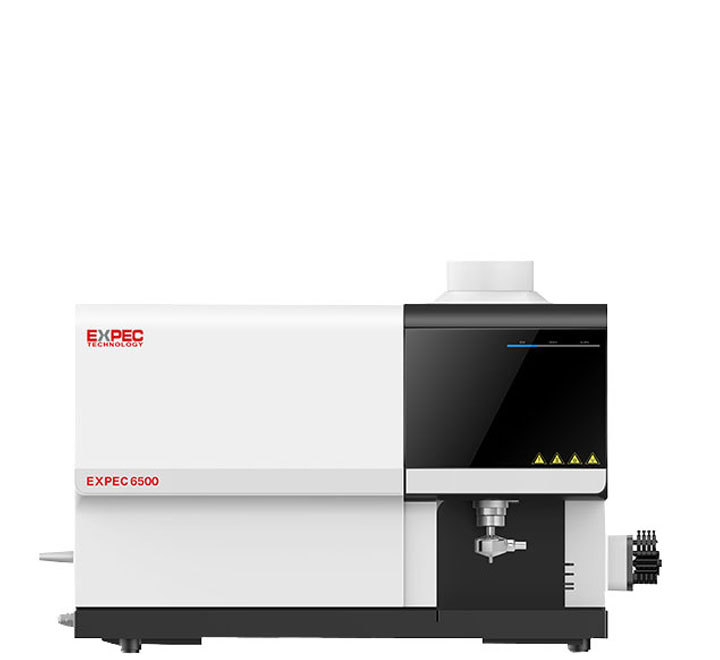
ICP-OES
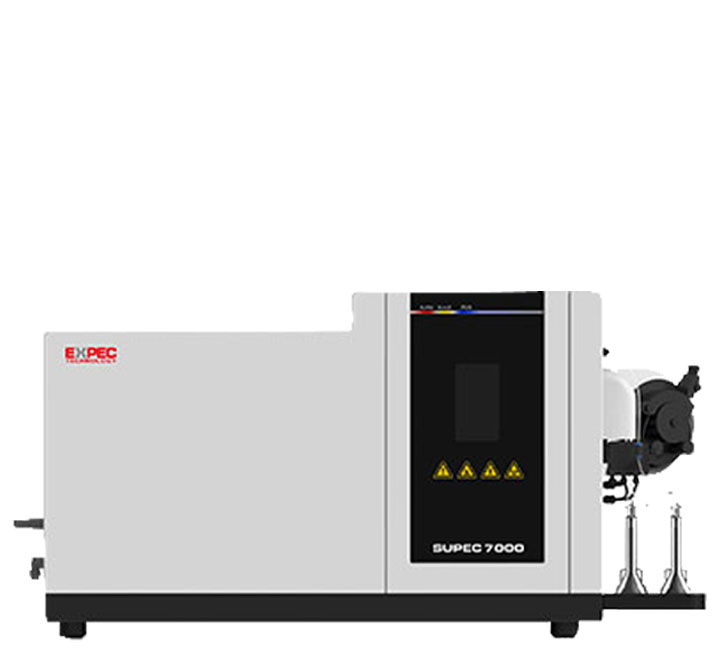
ICP-MS
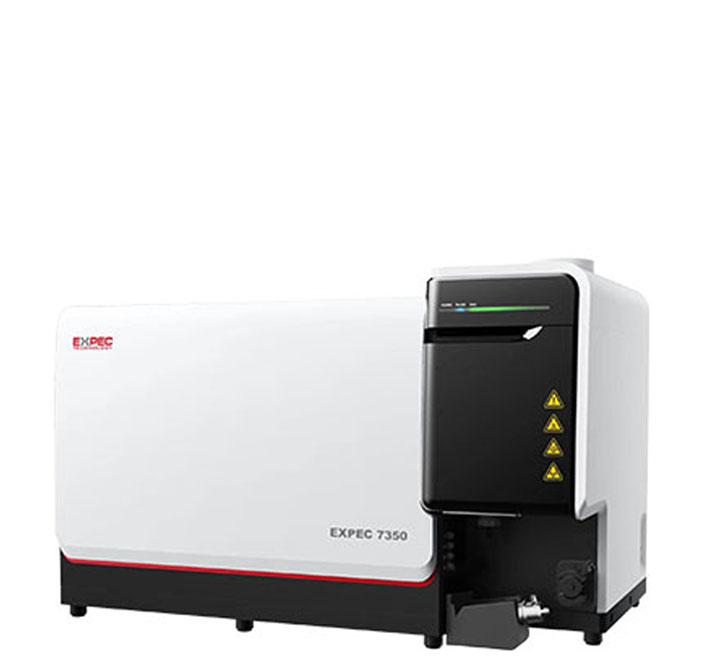
ICP-MSMS
What really separates ICP-OES, ICP-MS and ICP-MS/MS?
The key difference is not the plasma itself, but what the instrument measures after the plasma.
ICP-OES
What it measures
Light emitted by excited atoms and ions
Technical principle
Plasma + optical system + detector
What this means in practice
Strong for routine multi-element analysis and higher concentration ranges.
ICP-MS
What it measures
Ions separated by mass-to-charge ratio
Technical principle
Plasma + ion extraction + mass spectrometer
What this means in practice
Much lower detection limits and much stronger trace-element capability.
ICP-MS/MS
What it measures
Ions by mass, with additional filtering before and after the reaction cell
Technical principle
Plasma + ion extraction + first quadrupole + reaction/collision cell + second quadrupole
What this means in practice
Better interference control and stronger performance in demanding matrices.
In simple terms: ICP-OES reads light, ICP-MS reads ions, and ICP-MS/MS reads ions with an additional level of interference control
A strong choice for routine multi-element analysis, higher concentration ranges and practical laboratory throughput.
Designed for trace and ultra-trace elemental analysis where lower detection limits and higher sensitivity are important.
Built for more advanced interference control and demanding analytical work with difficult matrices and lower target levels.
How to choose the right ICP platform
Choosing between ICP-OES, ICP-MS and ICP-MS/MS is rarely about prestige. The better choice usually depends on the elements you need to measure, the target detection limits, the type of sample matrix and the level of interference control your laboratory really needs.
What concentration levels do you expect?
How complex are your sample matrices?
Do you need routine throughput or maximum sensitivity?
How important is future flexibility?
ICP-OES is often a strong choice for routine work at higher concentration ranges. ICP-MS and ICP-MS/MS become more relevant when trace and ultra-trace levels matter.
Cleaner routine samples are usually easier to manage across different ICP platforms. More difficult matrices often increase the value of stronger interference control and more advanced analytical design.
Some laboratories prioritize speed, robustness and practical daily throughput. Others need the lowest possible detection limits and are ready to accept a more demanding analytical workflow.
A laboratory that expects more demanding applications in the future may justify a more advanced system earlier. A routine laboratory may get better long-term value from a simpler and more focused platform.
Looking beyond the logo
ICP spectrometers should not be judged only by brand name or headline specifications. In real laboratory work, the more important questions are analytical role, application fit, workflow logic, serviceability and the practical difference between routine and advanced systems. That is why COLO.Science looks at ICP manufacturers through the lens of real use, not only product labels.
A current reference point
EXPEC
EXPEC is one of the current reference manufacturers on this page, especially where practical workflow logic, system structure and clear application positioning can be shown in a useful way. Additional manufacturers and systems can be added gradually as this knowledge base expands.
Related articles
ICP selection rarely depends on one specification alone. The most useful comparisons usually come from real application context, sample type, laboratory priorities and long-term workflow needs.
ICP-OES vs ICP-MS for routine environmental laboratories
A practical look at where routine throughput matters more than ultimate sensitivity, and where lower detection limits begin to change the instrument choice.
COLO.Science · ICP KNOWLEDGE HUB
ICP Spectrometers, Practical Comparison & Next Steps
Explore ICP-OES, ICP-MS and ICP-MS/MS from a practical laboratory perspective. Use this page as a starting point for understanding analytical roles, application fit, interference control and manufacturer context — and continue to EXPEC.eu for a dedicated EXPEC product view.